Is High Tatras Worth Visiting?
A clear answer for travellers based in Bratislava: what a High Tatras day tour covers, how it compares with other Slovak day trips, and when to plan it.
Bratislava is Slovakia's capital, an inland city on the Danube of about 468,000 residents, and it sits a long way south of the country's mountains. The High Tatras are the alpine range Slovakia is known for, and nearly every traveller based in Bratislava eventually asks the same question: is it worth losing a full city day to see them? The short answer is that the range is the single most ambitious day trip available from the city, several guided products run there from Bratislava, and the decision comes down to appetite for a long day on a bus versus time in the Old Town, the castle hill and the riverside. This page works through the trade-offs using the tour roster and the site's own Bratislava Travel Guide facts.
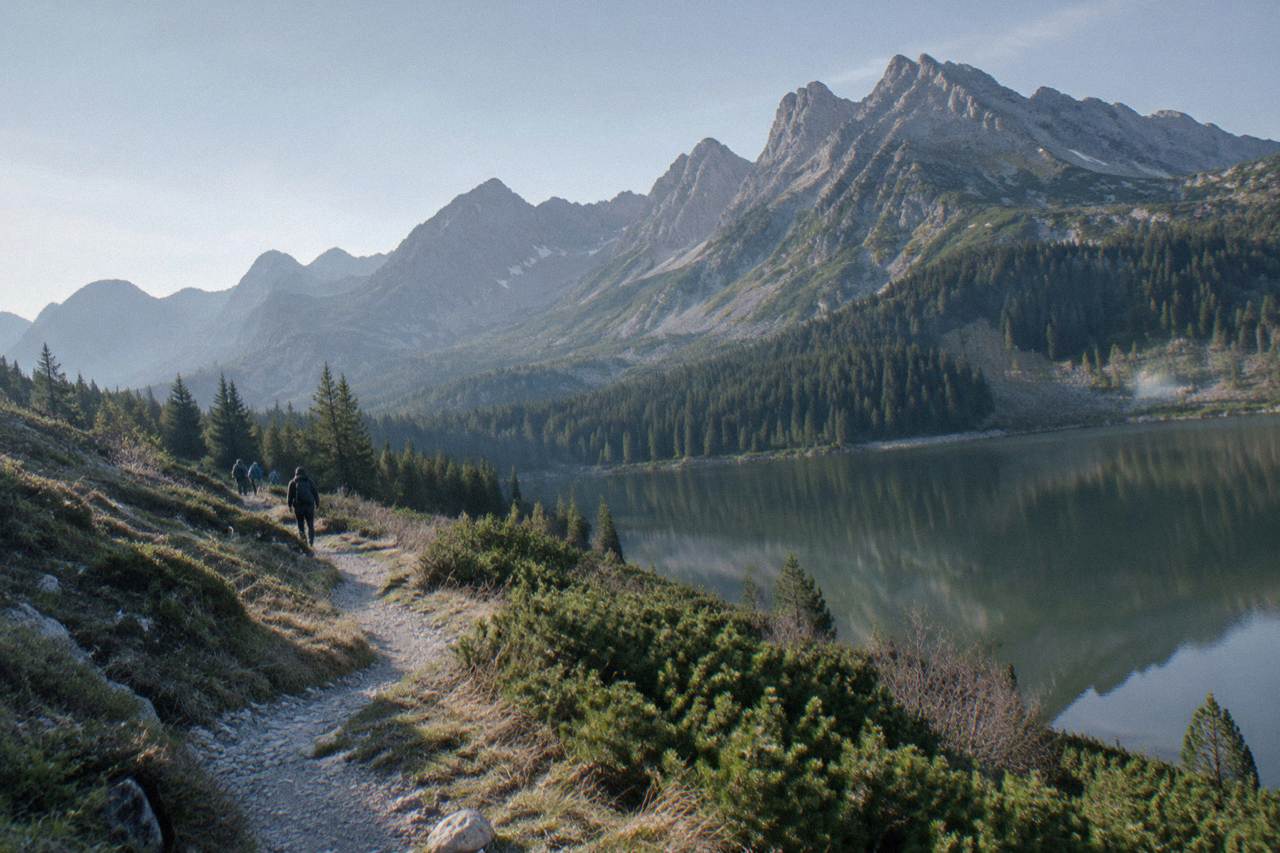
Yes, if you want alpine scenery you cannot get in Bratislava itself and you accept that the round trip consumes essentially a whole day, because every High Tatras product from the city is a full-day excursion, not a half-day add-on. The listings for these tours carry consistently strong ratings from hundreds of reviewers, and the itineraries bundle the mountains with villages and castles rather than mountain time alone.
The honest framing matters here. Bratislava itself is a walkable river city: the Old Town is pedestrian, Bratislava Castle is a climb, and the main sights, from St Martin's Cathedral to the UFO observation deck on Most SNP, sit close together. Nothing in that city resembles the High Tatras. The range is the reason many international visitors know Slovakia at all, and the guided day tours from Bratislava are built around that contrast: a long drive north, then the mountains, with stops placed so the drive is not dead time.
The alternative, of course, is to stay in the city and read what not to miss in Bratislava instead. That page covers the compact core that a High Tatras day pulls you away from. Both choices are legitimate, which is exactly why the question gets asked so often.
What Do High Tatras Day Tours From Bratislava Actually Cover?
The flagship product from this site's roster is the Čičmany, Bojnice, Orava and High Tatras day tour, which strings the painted log village of Čičmany, Bojnice Castle, Orava and the High Tatras into one loop from Bratislava, with the Tatras as the final mountain stage rather than the sole stop. A second option, the Northern Slovakia guided day tour, covers the northern half of the country on the same full-day pattern.
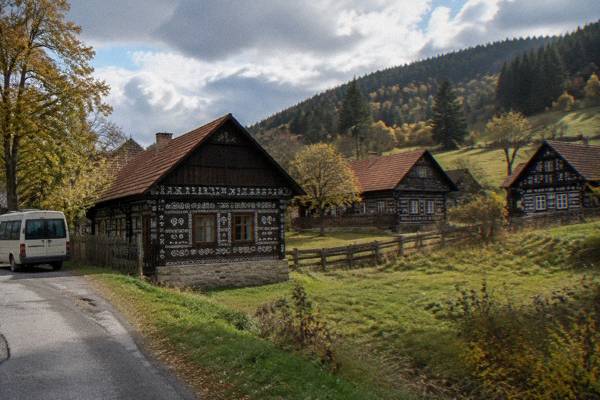
What this means practically: the Tatras tours from Bratislava are panorama-and-highlights products. You ride into the mountains, take in the alpine scenery, and pass through some of the places Slovak domestic tourism is built around, including Čičmany, the village whose houses carry traditional painted decoration, and Bojnice Castle, about 129 km from Bratislava by straight-line distance.
For readers deciding between the two flagship options, the differences sit in the route rather than the concept. The Čičmany loop leans on villages and castles before reaching the mountains; the Northern Slovakia guided day covers the broader region. Both start in Bratislava, and both return you to the city the same evening, which is what keeps them compatible with a short city stay.
If the northern route sounds like your kind of day, book a Northern Slovakia guided day tour here.
How Does A High Tatras Day Fit A Short Bratislava Stay?
It fits only if you give it a full day, so the real planning question is how many total nights you have: the city core works as a two-day proposition, which means a Tatras day makes sense on stays of three nights or more. On a one- or two-night visit, spending the day away from the city trades away most of what Bratislava itself offers.
The site's own guidance on how many days you need in Bratislava treats the city core as a two-day proposition, and the arithmetic is unforgiving either way. A High Tatras excursion from Bratislava is a full-day product by design: it departs in the morning and returns in the evening, leaving you a few hours of city time at best on either side. If your trip is short, the higher-value question is whether the city alone justifies the journey, which this site answers in detail on is Bratislava worth visiting. For longer stays, the calculus flips, because after two days the city's core is largely covered and a mountain day adds a register the city cannot.
A useful middle position is to treat the Tatras tour as your weather hedge. Bratislava's modelled ERA5 climate normals for 1991 to 2020 put July's mean daily high at 26.3 C with 75.8 mm of rain for the month, and January's mean daily low at minus 3.1 C. A grey city day is a cheap day to spend on a bus with a castle and a mountain range at the end of it.
How Does The High Tatras Compare With Other Day Trips From Bratislava?
It is the longest and most ambitious day trip on the menu: the closer options, Bojnice Castle at about 129 km and Trnava at about 44 km straight-line from Bratislava, are gentler half- or full-day outings, while the Tatras sit at the top of the range in both travel commitment and payoff. Vienna, about 55 km away, is the easiest excursion of all, and Budapest, about 162 km, is a different category again.
The straight-line distances from the site's own places data tell the story cleanly:
| Destination | Straight-line km from Bratislava | Character |
|---|---|---|
| Modra | 26 | Small Carpathians wine village |
| Pezinok | 20 | Small Carpathians wine village |
| Trnava | 44 | Historic church town |
| Carnuntum | 19 | Roman-era site across the border |
| Vienna | 55 | Imperial capital, about 56 minutes by direct train |
| Nitra | 75 | Castle and historic core |
| Mikulov | 81 | Wine town |
| Bojnice Castle | 129 | Castle, on the Čičmany Tatras loop |
| Budapest | 162 | Hungarian capital |
Distance is only part of the comparison. Vienna is reachable on an hourly direct REX8 train in 56 minutes, which makes it the default easy day trip, and this site covers that option at length on the best way to get from Vienna to Bratislava and on whether Bratislava is worth a day trip from Vienna. The Tatras offer none of that convenience: there is no quick train-and-back version, so the guided bus loop is the practical form the trip takes.
That is also the honest case for the mountains. Every other row in the table is a city, town or castle you could in principle reach under your own steam. The High Tatras are the only alpine landscape on the list, and scenery is the one thing none of the alternatives substitute for. The wider set of guides lives on Bratislava Travel Guide.
When Should You Plan A High Tatras Day From Bratislava?
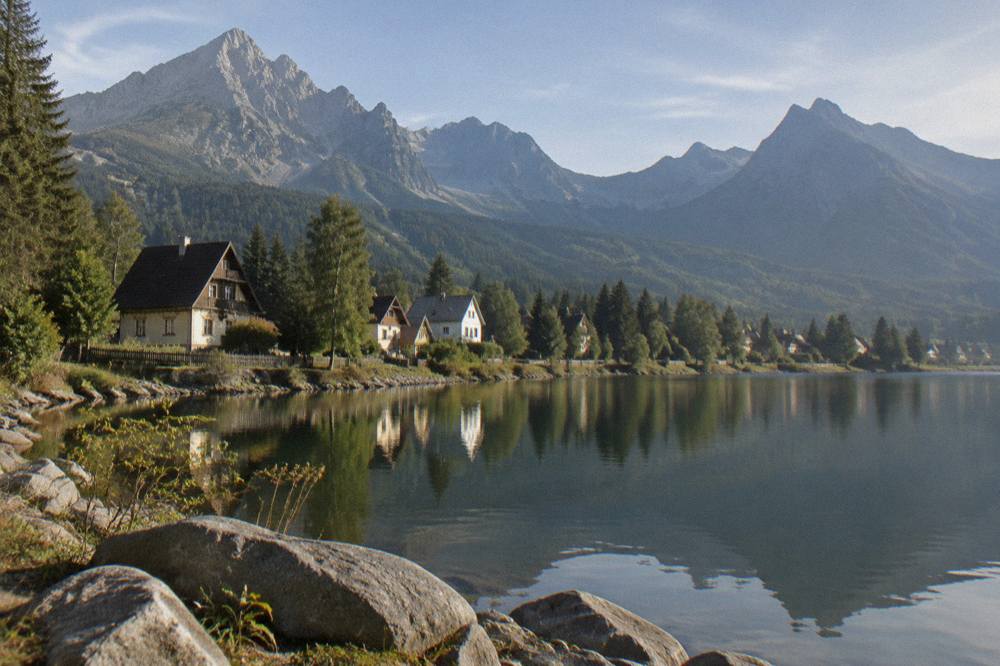
Plan it in the warmer half of the year if the mountain scenery is the point, because Bratislava's modelled ERA5 normals for 1991 to 2020 show mean daily highs of 26.3 C in July and 20.8 C in September against 3.0 C in January, and winter travel to the range is a different proposition with snow and short days. The guided day tours run on published schedules that the operator's live listing shows for your exact dates.
The table below is the Bratislava-side climate picture from the ERA5 reanalysis for the 1991 to 2020 period, grid cell at the centre of the city.
| Month | Mean high C | Mean low C | Rain mm |
|---|---|---|---|
| Jan | 3.0 | -3.1 | 34.9 |
| Feb | 5.5 | -2.3 | 33.4 |
| Mar | 10.3 | 1.1 | 42.0 |
| Apr | 16.0 | 5.7 | 44.0 |
| May | 20.4 | 10.6 | 69.1 |
| Jun | 24.1 | 14.5 | 73.6 |
| Jul | 26.3 | 16.6 | 75.8 |
| Aug | 26.2 | 16.4 | 66.8 |
| Sep | 20.8 | 12.0 | 67.1 |
| Oct | 15.0 | 7.3 | 48.5 |
| Nov | 8.9 | 3.0 | 46.3 |
| Dec | 3.7 | -1.7 | 40.0 |
Two readings of that table help the decision. The summer months carry the highest monthly rain totals of the year, with July at 75.8 mm, so a summer Tatras day is a morning-of judgement call, and a tour with a flexible cancellation term is the safer booking. Second, the shoulder months, May at 20.4 C and September at 20.8 C mean highs, sit in the same temperature band as the height of summer while the calendar is quieter on the city side, which makes them efficient weeks to be away from Bratislava all day.
One more seasonal note specific to the city you leave behind: if your Tatras day falls between 26 November 2026 and 3 January 2027, you are trading away the main Christmas market on Hlavné námestie and Hviezdoslavovo námestie for that day, and the market is the single biggest draw those weeks.
Is A Guided Tour Or Independent Travel Better For The Tatras?
A guided day tour is the practical choice from Bratislava, because this site lists no direct train times or fares for reaching the Tatras independently, while the guided products depart from Bratislava, handle the entire loop, and return you to the city the same evening with castles and villages folded into the route.
That is a statement about what the facts support, not a claim that independent travel is impossible. What the site's transport data does establish is that the easy rail day trips run west: Vienna on the hourly REX8, 56 minutes, at 12.70 EUR one way, and the Twin City Liner by river. For the mountains, nothing comparable appears in the train and bus facts, and inventing a connection would be exactly the kind of unsourced sentence this site refuses to print. The guided tour closes that gap.
The decision moment, if you want to lock a date, sits with the operator's live listing: Check availability. The same listing carries the current price, the traveller rating and the exact departure terms, none of which belong in prose here.
For readers who want the fuller picture of the range before committing, the site's dedicated High Tatras day trip page covers the destination in depth, and why Bratislava is famous explains what the city side of the trade-off consists of.
Common Questions About The High Tatras From Bratislava
Is High Tatras Worth Visiting?
Yes, if alpine scenery is a priority and you accept a full-day commitment, because the range offers a landscape nothing in Bratislava or its nearer day trips matches, and the guided tours from the city carry consistently strong ratings from hundreds of travellers on the operator's live listing.
Can You Do The High Tatras As A Day Trip From Bratislava?
Yes. The Čičmany, Bojnice, Orava and High Tatras day tour departs from Bratislava and returns the same evening, folding villages and castles into the route north. It is a full-day product by design, not a half-day excursion.
Is The High Tatras Tour Better Than Staying In Bratislava?
It depends on the length of your stay. The Bratislava core is a two-day proposition, so a Tatras day earns its place on stays of three nights or more. On a one- or two-night visit, the day away costs you most of what the city itself offers.
What Else Does The Tatras Day Tour Stop At?
The flagship loop from Bratislava takes in Čičmany, the painted log village, Bojnice Castle, about 129 km straight-line from Bratislava, and Orava before the mountain stage in the High Tatras. The full itinerary is printed on the operator's live listing.
When Is The Best Time Of Year For A High Tatras Day From Bratislava?
The warmer half of the year suits a scenery-first visit. Bratislava's modelled ERA5 normals for 1991 to 2020 show mean daily highs of 20.4 C in May and 20.8 C in September against 3.0 C in January, and summer carries the year's highest monthly rain totals, with July at 75.8 mm, so book a tour with flexible cancellation terms.
The verdict, in one line: the High Tatras are worth visiting from Bratislava exactly when you have a spare full day and a taste for mountains, and the guided loop is the form of the trip the facts actually support.