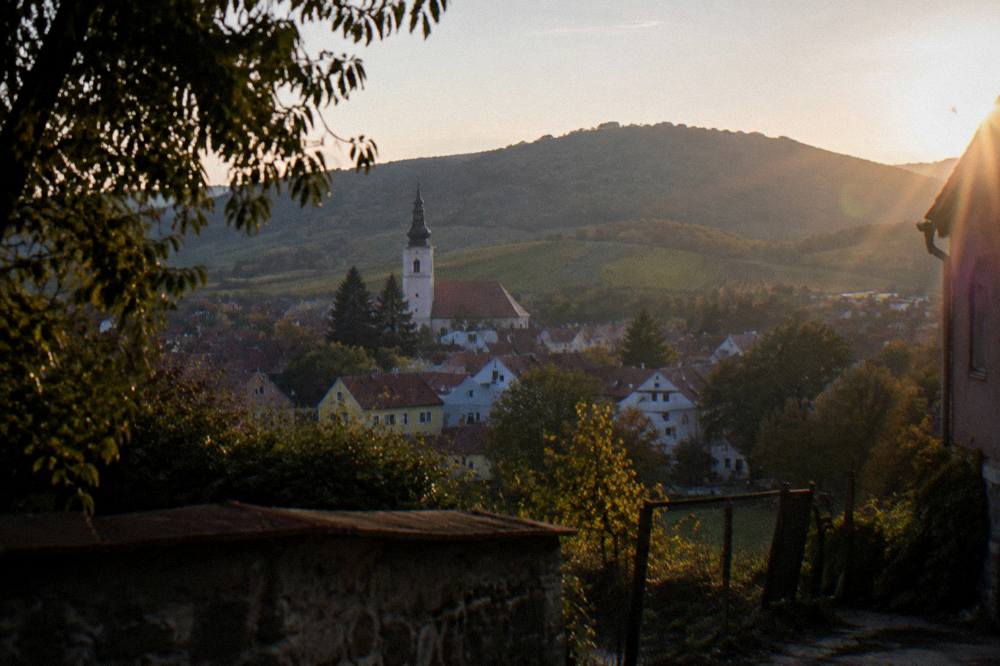
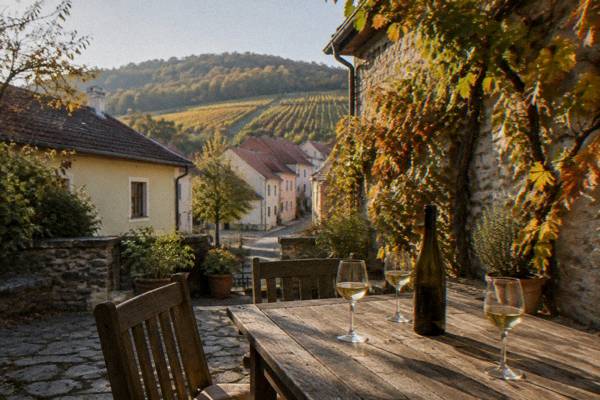
Modra: Ceramics And Cellars In The Small Carpathians
Modra sits about 26 km northeast of Bratislava in the Small Carpathians wine country, close enough for a half-day escape from the capital and far enough that the cellars, not the crowds, set the pace.
Short answer
Modra is a Small Carpathians wine town about 26 km from Bratislava, reached as a half-day or full-day trip built around a private winery tasting, with Pezinok about 20 km and Cerveny Kamen Castle both combinable on the same route.
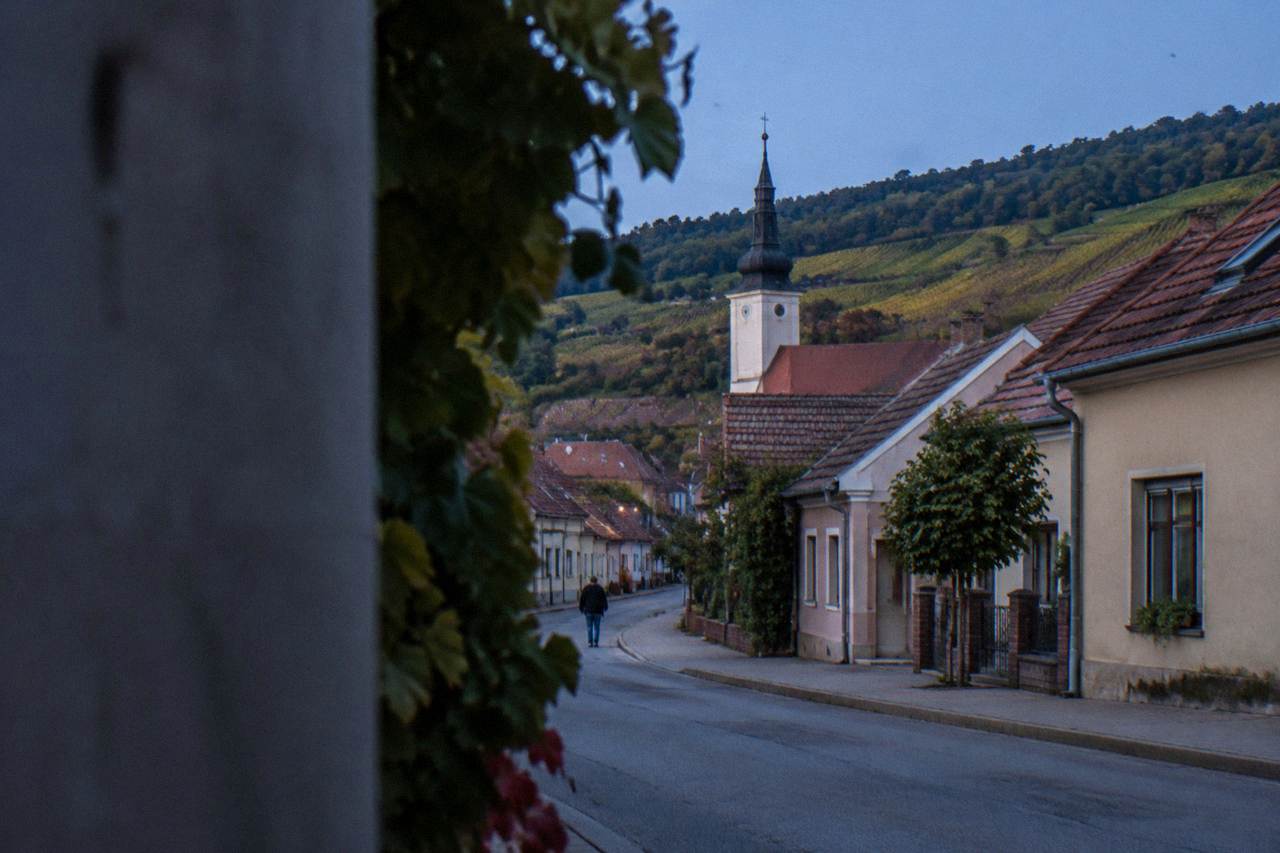
Modra is a wine town in the Small Carpathians, the wooded hill range that rises behind Bratislava, the inland capital of Slovakia on the Danube. The straight-line distance from Bratislava is about 26 km, which puts Modra squarely in day-trip range: it works as a half-day tasting stop, as one town on a Small Carpathians wine route loop with Pezinok, or as a slow full day built around a cellar visit and a walk. A Modra day trip comes down to distances, the bookable winery experience, how the town compares with the other day trips around Bratislava, what the modelled climate says about timing, and which tours cover the region.
Where Is Modra And How Far From Bratislava?
Modra lies about 26 km from Bratislava by straight-line distance, in the Small Carpathians hills that run along the capital's northeastern edge, and it is one of the closest wine-country day trips the city has: Pezinok sits about 20 km away on the same route, Cerveny Kamen Castle is on the same side of the map, and Trnava about 44 km. Nothing in that line-up demands an early start or a long drive, which is the whole argument for the town as a Bratislava escape.
The Small Carpathians wine route is the organising idea for the region, a chain of wine towns of which Modra and Pezinok are the two nearest to the capital. The full route is covered on the Small Carpathians wine route guide, and Pezinok, about 20 km out, gets its own page at Pezinok. A traveller with a car can string Bratislava, Pezinok, Modra and Cerveny Kamen Castle into one loop without much backtracking.
Distances below are straight-line kilometres computed from the site's places file, so road distances run somewhat longer. Use them for comparing destinations against each other, not for fuel planning, and treat the near neighbours as interchangeable candidates for a spare day rather than as a list to work through.
| Destination from Bratislava | Straight-line km |
|---|---|
| Carnuntum | 19 |
| Pezinok | 20 |
| Modra | 26 |
| Trnava | 44 |
| Vienna | 55 |
| Nitra | 75 |
| Mikulov | 81 |
| Bojnice Castle | 129 |
| Budapest | 162 |
The comparison row that matters is Vienna at about 55 km. Bratislava is unusually rich in near neighbours, and a day in Modra competes for the same slot as a day in Vienna or Trnava. The wine towns win on pace: the point of the Small Carpathians is a slow afternoon in a cellar, not a checklist of sights.
Geography also shapes the weather difference, at least in the planning sense. The hills that make the wine country also make the walks, so a wet forecast hits a Modra day harder than it hits a museum day in the capital. The climate table further down this page gives the modelled monthly figures for the Bratislava grid cell, and the same numbers are the best available proxy for the hills 26 km away.
What Does A Modra Wine Tasting Involve?
The main bookable experience in Modra is a private wine tasting at a family-operated winery, listed as a product that includes a guided tasting of the winery's own wines in a private setting, priced and rated on the operator's live listing, and it is the anchor around which most Modra day trips from Bratislava are built. The product's price, rating and review count render on its own tour page rather than being typed into prose here, and the listing is the place to confirm current availability for your dates.
What the experience covers, per the listing, is the winery itself: a family operation pouring its own wines, in a private rather than drop-in format. That distinction shapes the day. A private tasting runs on a reservation, so the practical planning steps are picking a date, booking ahead, and building the rest of the day around the slot rather than arriving and hoping.
The wine context comes from the region, not the venue. The Small Carpathians are the wine country at Bratislava's doorstep, and the site's Slovak wine guide covers what is in the glass. For travellers who want the cellar experience without renting a car, a Small Carpathians wine tour from Bratislava handles the transport and the reservations along the same route.
Ceramics are the other half of the town's identity, and the target of this page's keyword names both: ceramics and cellars. The honest framing is that the ceramics tradition is the reason Modra's name travels beyond the wine route, while the cellars are the reason people book the trip. A day here splits naturally into a walk through town and a booked tasting, with no ticketed monument at the centre of the visit.
That is also Modra's limitation, and it is worth saying plainly. Unlike Cerveny Kamen Castle or Bratislava Castle, the town has no single paid landmark with published hours and prices to anchor a schedule. The day is as good as the tasting you book and the weather you walk in.
For travellers comparing the two formats, the trade-off is control against convenience. Booking the private winery tasting directly means choosing the date and the company, then solving transport yourself. Booking a guided wine tour from Bratislava means someone else drives the hills and holds the reservations, at a price the listing carries. Both are legitimate plans, and many visitors do one or the other rather than both.
How Do You Plan A Combined Small Carpathians Day Trip?
A practical combined day runs Bratislava to Pezinok, about 20 km, then on to Modra at about 26 km, optionally adding Cerveny Kamen Castle on the same side of the map, and it works best with a booked winery slot in Modra as the fixed point, since the private tasting format runs on reservation rather than walk-ins. The loop geometry is the advantage: nothing on this route doubles back.
For a two-town day, Pezinok first and Modra second is the natural order, ending on the tasting. For a one-town day, Modra alone at about 26 km from Bratislava leaves room for a long lunch and an unhurried walk. The castle adds a ticketed stop with real opening days, so check its current hours before locking the itinerary.
The fixed facts that shape a same-day return to Bratislava are the city's sight-closing days, because a combined day that ends back in the capital with museum plans can collide with them. The pattern is not uniform, and mixing the days up is the classic first-visit mistake:
| Sight | Closed |
|---|---|
| Bratislava Castle, Museum of History | Tuesday |
| Michael's Tower | Tuesday |
| Old Town Hall | Monday |
| Devin Castle | Monday |
Winter matters on this route too. Devin Castle stays open all winter, Tuesday to Sunday 10:00 to 16:00 from November to February, a point worth repeating because the "closes for winter" claim is wrong. The castle's exposition is what closes in the winter season, not the site.
One more planning layer: the castle museum inside Bratislava Castle charges 14 EUR for basic admission and is free with the Bratislava CARD, which at 30 EUR for 24 hours with transport also covers unlimited IDS BK travel across all zones. A traveller combining a Small Carpathians afternoon with two or three ticketed sights in the capital can run the arithmetic either way, and the card's own page carries the current conditions.
What Does A Day In Modra Cost Compared With Other Day Trips?
The bookable parts of a Modra day are the private winery tasting, priced on its live listing, and the standard Bratislava transport and sight costs in euros: IDS BK paper singles at 1.20 EUR for 30 minutes and 1.80 EUR for 60 minutes, castle museum admission at 14 EUR, Devin Castle at 8 EUR summer and 6 EUR winter, so a wine-country day undercuts the ticketed-sight days on entry costs. No restaurant, pint or hotel figure exists for this trip.
The transport table below gives the standing IDS BK prices for the Bratislava zones. The standing figures are these:
| IDS BK ticket, zones 100+101 | Paper EUR | eTicket/app EUR |
|---|---|---|
| Single, 30 min | 1.20 | 1.09 |
| Single, 60 min | 1.80 | 1.60 |
| Day, 24 h | 5.40 | 4.85 |
| Day, 72 h | 10.70 | 9.68 |
Against the other day trips, Modra sits at the cheap end of the entry column. A Bojnice Castle day at about 129 km or a Vienna day at about 55 km carries transport and ticket costs on top; a Modra day's only fixed outlay is the tasting. The multi-hour guided products elsewhere in Slovakia, such as the Demanovska Cave and Orava Castle day trip that also departs from Bratislava, bundle transport and entry, with the price on the listing, and the same logic applies to the wine tours: you pay for the driving and the coordination.
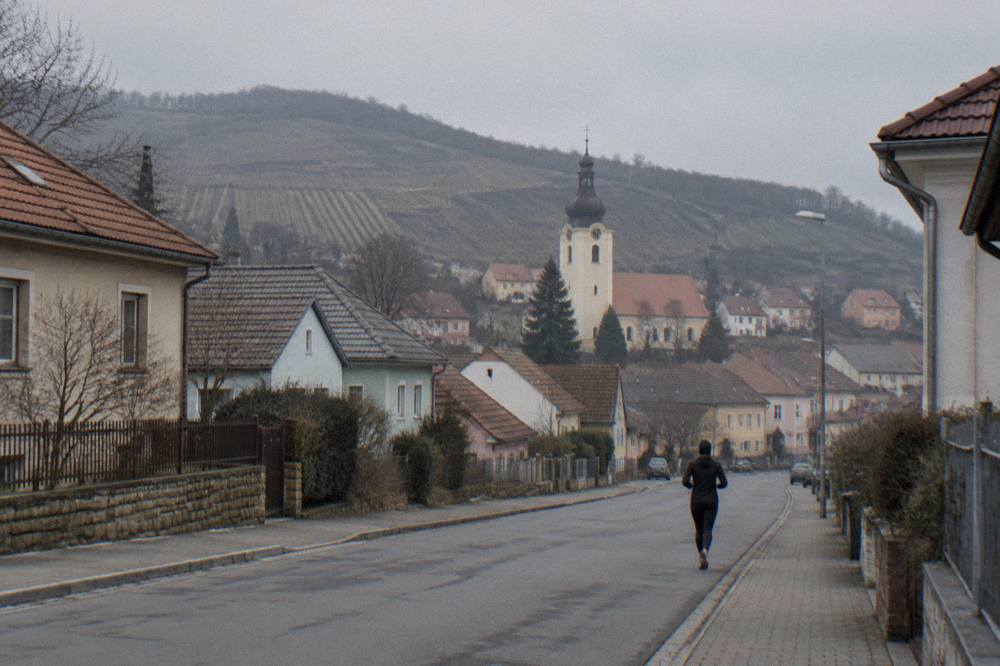
Where the money goes on a Modra day is the reservation. A private tasting at a family winery is a booked product, and the site's rule on products holds: prices, ratings and durations render from the tour's own data block, never from memory or estimate. For anyone weighing a self-driven day against a booked one, the things to do in Bratislava overview indexes the full range of options.
The tourist tax applies only if the day trip turns into a stay: 3.50 EUR per person per night in the Old Town district of Bratislava and 3.00 EUR elsewhere in the city, capped at 60 nights per taxpayer per year. Slovakia's currency is the euro, adopted on 1 January 2009, so there is no exchange step for eurozone visitors on any of these costs. Other pages covering the same trip are gathered on Bratislava Travel Guide.
The related pick on this page is a longer day trip rather than a wine product, and the reason is deliberate: travellers who enjoy a booked, guided day out of Bratislava sometimes want both kinds, the slow cellar afternoon and the long-distance castle-and-cave run. The Demanovska Cave and Orava Castle day trip covers the far north of Slovakia in one booked departure from Bratislava, and its price, rating and review count sit on its own listing, which you can check via Check availability.
When Is The Best Time To Visit Modra From Bratislava?
The modelled ERA5 reanalysis for the Bratislava grid cell, 1991 to 2020, shows the warm months running from a May mean high of 20.4 C to a July high of 26.3 C, with rain totals from 69.1 mm in May up to 75.8 mm in July, so late spring and early autumn combine walkable temperatures with the wine country's own calendar, while November carries the young-wine tradition from the 11th. These figures are modelled normals for a grid cell, not a station record, and Modra's hills sit close enough that the pattern holds for planning.
The full monthly table:
| Month | Mean high C | Mean low C | Rain mm |
|---|---|---|---|
| Jan | 3.0 | -3.1 | 34.9 |
| Feb | 5.5 | -2.3 | 33.4 |
| Mar | 10.3 | 1.1 | 42.0 |
| Apr | 16.0 | 5.7 | 44.0 |
| May | 20.4 | 10.6 | 69.1 |
| Jun | 24.1 | 14.5 | 73.6 |
| Jul | 26.3 | 16.6 | 75.8 |
| Aug | 26.2 | 16.4 | 66.8 |
| Sep | 20.8 | 12.0 | 67.1 |
| Oct | 15.0 | 7.3 | 48.5 |
| Nov | 8.9 | 3.0 | 46.3 |
| Dec | 3.7 | -1.7 | 40.0 |
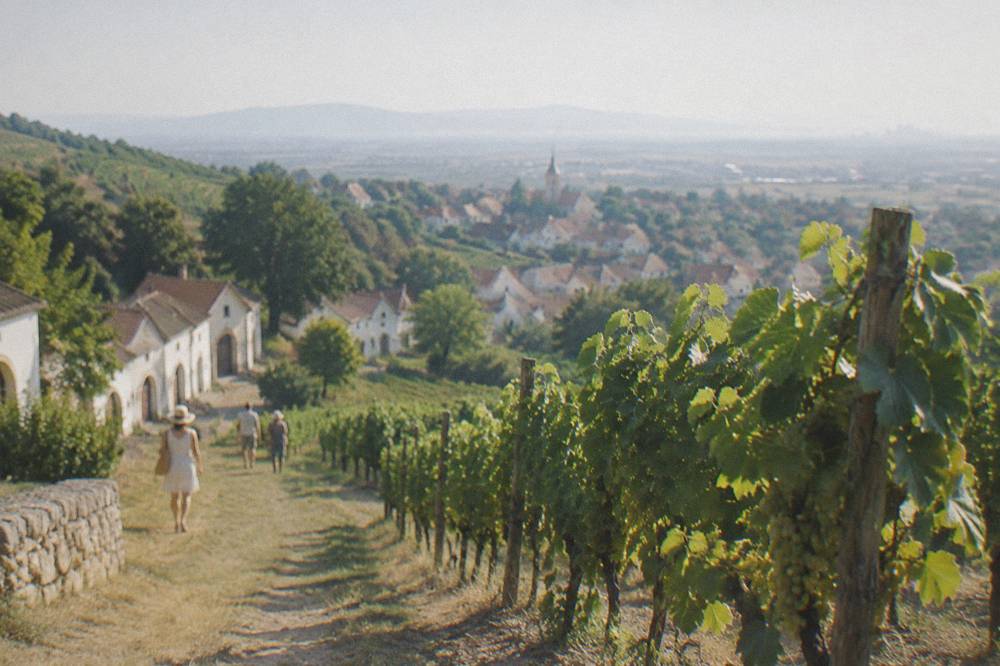
Read the table for what it is. July carries 75.8 mm of rain and a 26.3 C mean high; February shows 33.4 mm and a 5.5 C high. September's 20.8 C high and 67.1 mm sit close to June's figures. No month is a superlative here, and the planning point is simply that the warm half of the year, April through October, is the walking-and-tasting half.
Two seasonal windows deserve a second look. April pairs a 16.0 C mean high with only 44.0 mm of rain, which makes it a strong walking month before the summer totals climb. October at 15.0 C and 48.5 mm sits in the same band, with the harvest freshly behind the region. Between them, the June-to-August stretch carries the highest monthly rain figures on the table, so a summer visit trades the warmest evenings for more rain.
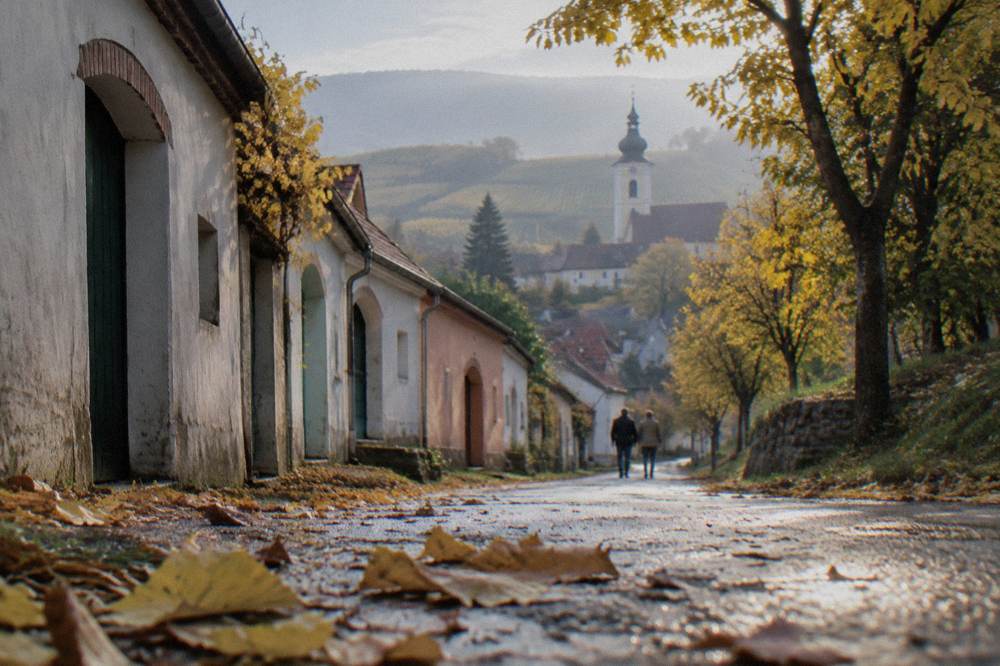
November has its own draw. St Martin's young wine is released from 11 November, as reported, with the tradition served at venues from that date. The Small Carpathians open-cellars weekend is part of the same season's lore, but no current date is set for it, so book a specific winery slot rather than planning around the festival weekend. Winter days work too: a tasting is indoors, and the modelled January high of 3.0 C is a coat, not an obstacle.
Which Tours Cover Modra And The Small Carpathians?
The tours that touch this region are the private winery tasting in Modra itself and the Small Carpathians wine tour from Bratislava, both bookable products whose prices, ratings and review counts render from their own listings, while the trio of picks on this page pairs the winery experience with two Bratislava products: a one-hour small-group highlights walk and an open-deck Danube panorama cruise. No product on the roster is a Modra-only guided day, which is itself useful planning information.
The pairing logic is straightforward. A Modra tasting is a half-day by design, so the remainder of the day often happens back in Bratislava, and the one-hour highlights walk is the shortest structured introduction to the Old Town on the books. The Danube panorama cruise covers the river side of the city in well under an hour. Together they fill the other half of a Modra day without repeating content.
For travellers basing the whole trip on wine rather than mixing, the dedicated page at Small Carpathians wine tour from Bratislava holds the details of the guided wine route. The rest of the region's day trips, from Nitra to the High Tatras, are indexed across the day-trips section.
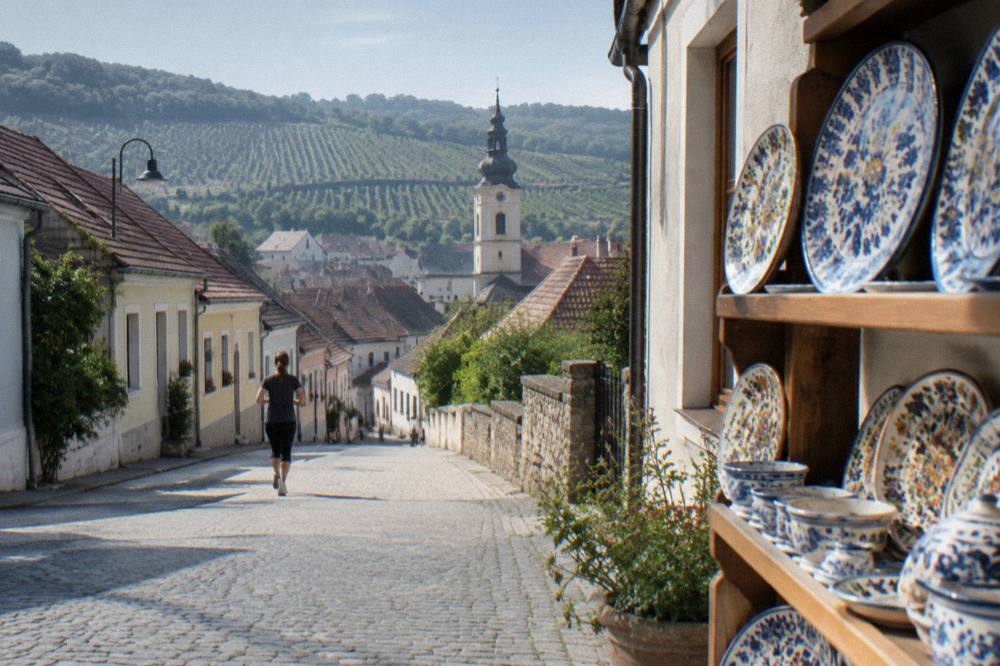
The ceramics half of the town pairs with the cellars rather than competing with them. A walk between a booked tasting and a look at the town's pottery shops is the shape of the afternoon, and the photo-walk angle, framing the low streets and the hills, is covered in the site's Bratislava photo walk guide. Keep the day anchored on the reservation: ceramics browsing flexes, cellar slots do not.
One caution applies to every product mentioned on this page, and it is the site's standing rule rather than a Modra-specific note. Never treat a typed price, rating or duration in any article as the live figure; the operator's own listing is the only current source, and the compiler blocks on this page render from the listings for exactly that reason. Free cancellation and pay-later terms, where a listing offers them, also live on the listing.
Common Questions About Modra And The Small Carpathians
How far is Modra from Bratislava?
About 26 km in a straight line, which makes it one of the closest wine-country day trips from the capital. Pezinok, on the same wine route, is about 20 km away.
Can you visit Modra as a half-day trip from Bratislava?
Yes. The private winery tasting is a booked, contained experience, so a half day built around a reservation works, with the rest of the day spent back in Bratislava or on another stop such as Pezinok or Cerveny Kamen Castle.
Do you need a car for a Modra wine tasting?
Not necessarily. A private tasting can be reached with your own arrangements, and a Small Carpathians wine tour from Bratislava handles transport and reservations along the same route for travellers who prefer not to drive.
When does the young wine season start in the Small Carpathians?
St Martin's young wine is released from 11 November, as reported, and served at venues from that date. Book a specific winery slot rather than planning around an unconfirmed open-cellars date.
Is Modra or Pezinok better for a day trip from Bratislava?
They sit close together on the same route, Pezinok about 20 km from Bratislava and Modra about 26 km, and both are covered on the Small Carpathians wine route. Modra adds the ceramics tradition to the cellars; the practical choice is which winery you can book.
What else can you combine with Modra on the same day?
Pezinok and Cerveny Kamen Castle sit on the same side of Bratislava, and the loop back can end at Devin Castle, which stays open all winter, Tuesday to Sunday 10:00 to 16:00 from November to February.
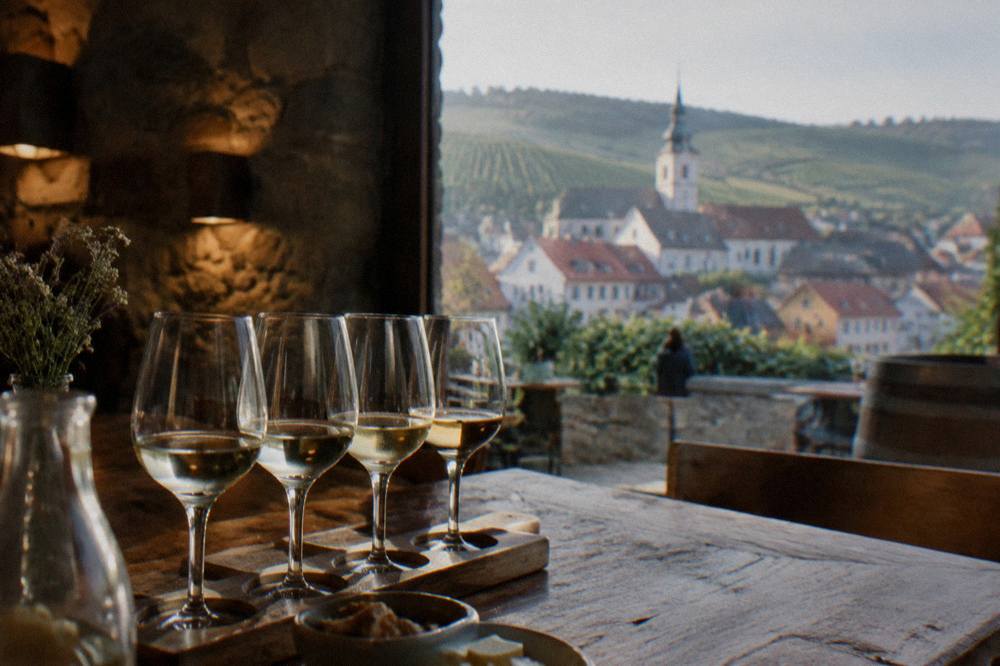
The short version: book the winery slot first, pick a month from the table above, and let the hills fill the rest of the day. Modra rewards the traveller who treats it as a slow afternoon in the Small Carpathians rather than a checklist, and at about 26 km from Bratislava it is the closest thing the capital has to wine country on its own doorstep.