Slovak Wine: Regions, Grapes And Cellar Visits Near Bratislava
Slovak wine country begins at the edge of Bratislava, and the Small Carpathian villages sit close enough for a half-day trip. This guide covers what the region is, how to taste it in the city, and how to plan the visit.
Short answer
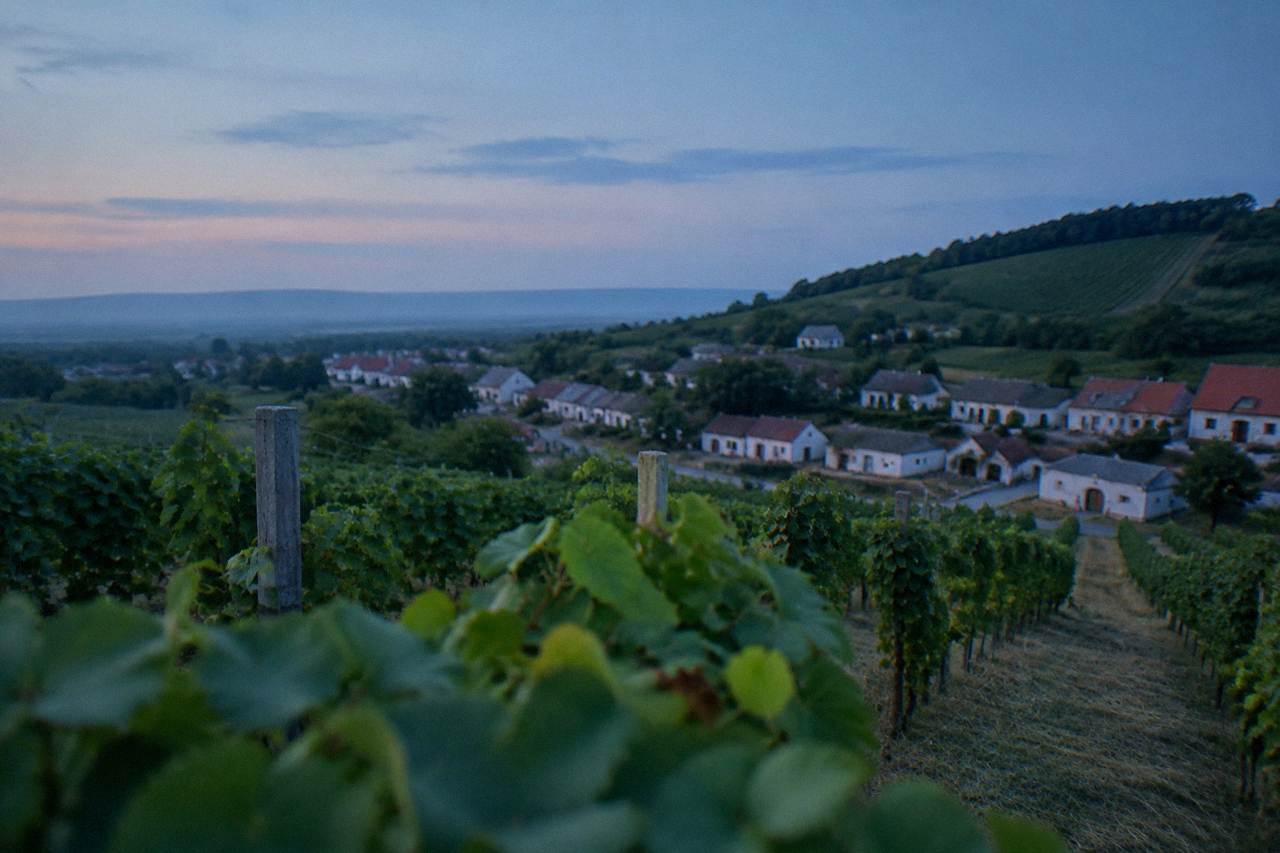
The Small Carpathians wine region lies directly east of Bratislava, with Modra and Pezinok the best-known towns. Bratislava itself carries a full shelf of bookable wine tastings, from sommelier-led flights to a private winery visit in Modra, and the region is reachable by train and bus on ordinary IDS BK tickets.
Slovak wine is a story that starts almost inside Bratislava, the capital of Slovakia on the Danube. The Small Carpathians rise to the east of the city, and their foothill villages form the country's best-known wine district, the one this site's Small Carpathians wine route guide covers stop by stop. Bratislava also does much of the tasting for you: the city carries a full shelf of bookable wine experiences, from short sommelier-led flights to a private tasting inside a family winery in Modra. The region, the ways to taste it, the seasons that shape it and the practical planning around it all come in euros, the local currency since Slovakia adopted the common European currency on 1 January 2009.
What Is The Small Carpathians Wine Region?
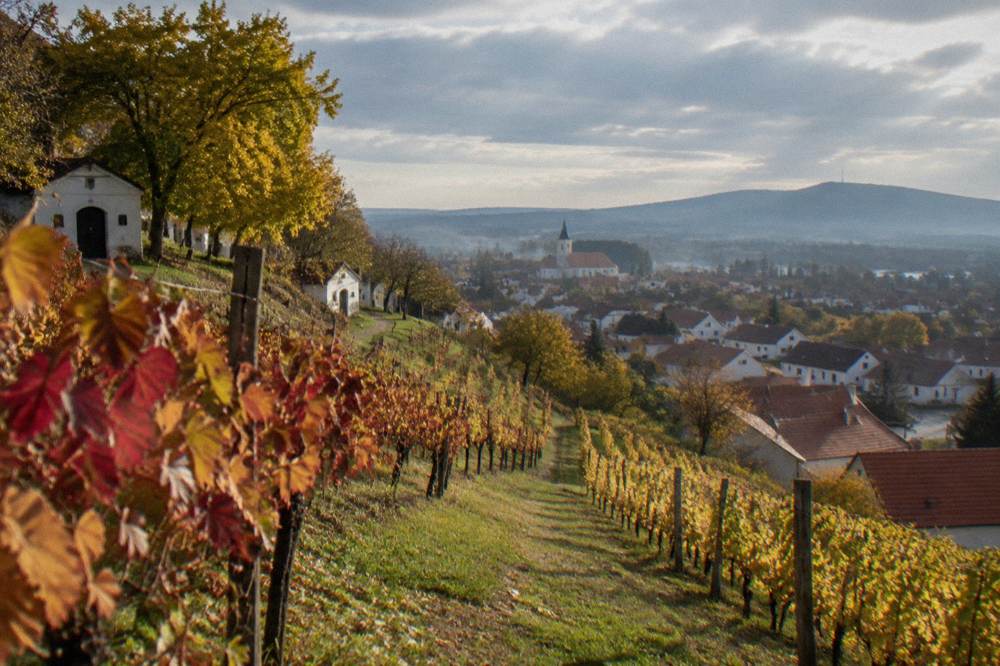
The Small Carpathians wine region is the strip of hills that runs from the edge of Bratislava eastwards through the towns of Modra and Pezinok, and it is the wine district visitors reach first from the capital because it begins essentially at the city limits. The route between the villages is covered in detail on this site's wine route page, and the same hills give the region its name. Tastings here happen in family cellars and at wineries rather than at large visitor centres.
The practical takeaway is proximity. A wine trip from Bratislava does not need a long transfer or a hired car arranged days ahead, because the wine towns sit on ordinary regional transport lines and the Pezinok day-trip guide walks through one of them in full. What the region offers is the compact, cellar-door style of tasting that the Small Carpathians are known for: a producer, a room, and a sequence of glasses poured by the people who made them.
The region also anchors the deeper Slovak wine story. Beyond the Small Carpathians, Slovakia carries further wine areas, but from a Bratislava base the Small Carpathians dominate the planning conversation, and the bookable products reflect that: the winery-visit tours on this site's roster head to Modra rather than to distant regions. For a first wine day out of the capital, that is the sensible shape of the trip.
Which Wine Towns Can You Reach From Bratislava?
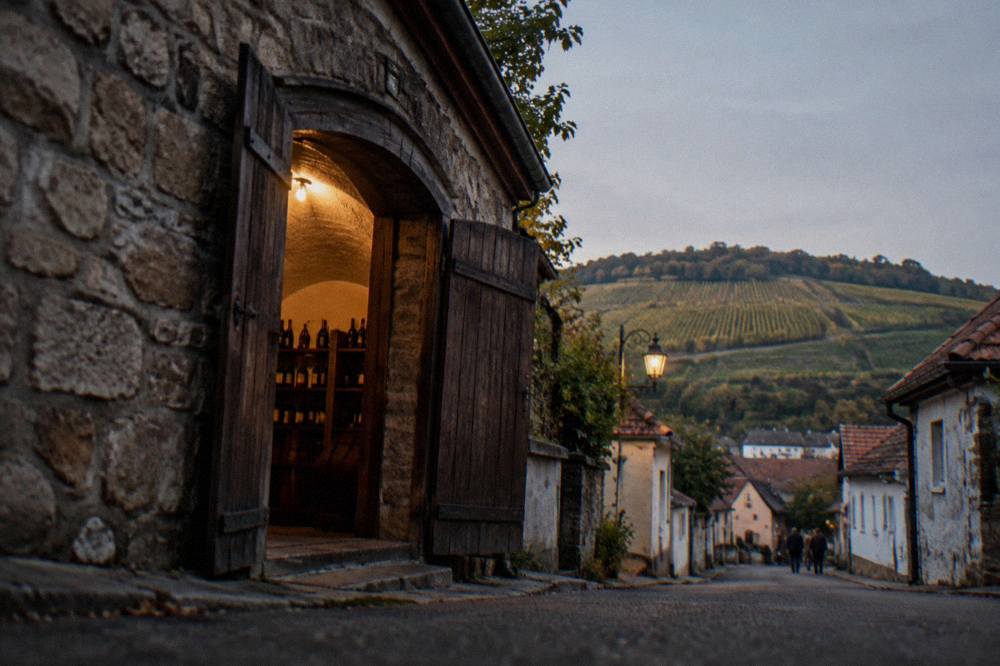
Modra and Pezinok are the two Small Carpathian wine towns this site covers as standalone day trips, both reachable from Bratislava on regional transport with ordinary IDS BK tickets, and Modra is the town the bookable private winery tasting on this site's roster travels to. Pezinok sits on the same wine route, and both towns sit inside the Small Carpathians district described above. Neither requires an overnight to enjoy.
Modra is the destination with the clearest bookable product behind it: a private tasting at a family-operated winery, which is one of the strongest wine experiences in the roster and is discussed in its own section below. Pezinok, covered in the Pezinok guide, is the other name that keeps coming up in Small Carpathians itineraries, and the two towns are close enough that a single day can hold both if the plan is tight.
The planning reality is that these are working wine towns rather than resort villages. The visit is built around the cellar, the tasting room and the walk between them, with the town itself as the interval. That suits the rhythm of the region: arrive, taste, eat, walk, return. The full stop-by-stop structure, including what else sits along the route, is on the Small Carpathians wine route page.
What Wine Tastings Can You Book In Bratislava?
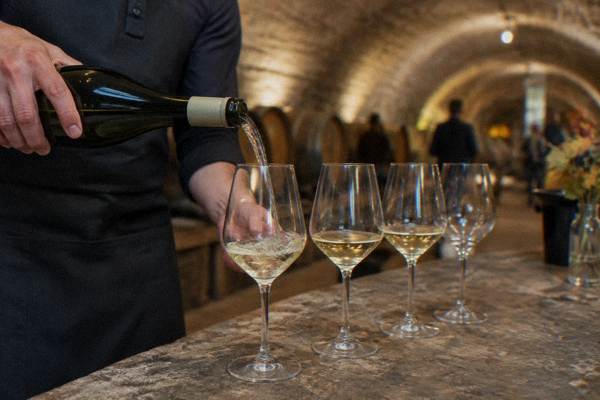
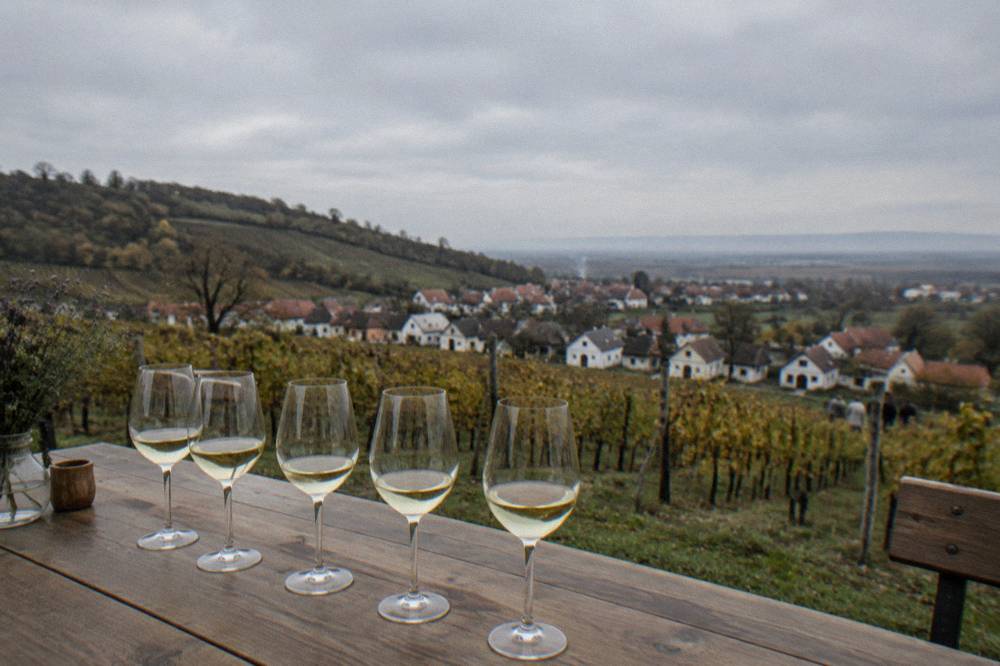
Bratislava's bookable wine lineup on this site's roster covers four distinct formats: a sommelier-led tasting, an audioguided tasting held in complete darkness, a guided tasting experience also run in the dark, and a private tasting at a family-operated winery in Modra outside the city. Prices, ratings and durations for each print on the operators' live listings rather than in this prose, and each format suits a different kind of visitor.
The city formats matter because they compress the region into an evening. A sommelier-led tasting fits a plan that has the Old Town otherwise booked; the two dark-room tastings fit a plan that wants something stranger than a standard flight; the Modra winery visit fits a plan with half a day to spend. Choosing between them is mostly a question of time and of how far out of the centre the day should reach.
The broader destination picks below fold in a sightseeing walk and a history walk, because a wine-focused trip to Bratislava still has hours between glasses, and the Old Town fills them well.
The trio above spans a full-day tour into northern Slovakia, a compact city sightseeing walk, and a private Soviet-era history walk: three very different ways to spend the non-wine half of a Bratislava stay. The wine-specific picks sit below and in the dedicated tasting sections.
Between the city tastings and the winery trip, the roster also carries a Small Carpathians wine tour from Bratislava, which is the structured way to reach the region with a guide attached. That product has its own page with the full description, and it is the natural first stop for a visitor who wants the villages without planning the transport.
Is A Private Winery Tasting In Modra Worth The Trip?
The private tasting at a family-operated winery in Modra is the one product on this site's roster that puts the visitor inside an actual Small Carpathians producer's cellar rather than a city venue, and it is the clearest reason to leave Bratislava for the wine region on a booked experience. The price, rating and duration print on the live listing. It suits travellers who want the producer's own room and a family operation rather than a tasting bar.
To step inside a working winery cellar, book a private wine tasting here.
The distinction matters more than it sounds. A city tasting, however good, is a curated flight in a venue that hosts many things. The Modra product is the winery itself: the family that operates it, the cellar it pours from, and the town around it. For a visitor whose trip is built around wine, that is the item that justifies the transfer time.
Check availability on the day-tour listing too if the plan stretches beyond wine into the wider country.
When Is The Best Time Of Year For Wine Near Bratislava?
Late spring through early autumn is the window that fits a Small Carpathians visit most comfortably: modelled ERA5 climate normals for 1991 to 2020 put July mean daily highs at 26.3 C and January mean daily lows at -3.1 C, so the warm half of the year is when the vineyard landscape and the cellar towns are at their most usable, though tastings themselves run year-round in the city. The November young-wine date gives autumn its own pull.
| Month | Mean Daily High C | Mean Daily Low C | Rain mm |
|---|---|---|---|
| Jan | 3.0 | -3.1 | 34.9 |
| Feb | 5.5 | -2.3 | 33.4 |
| Mar | 10.3 | 1.1 | 42.0 |
| Apr | 16.0 | 5.7 | 44.0 |
| May | 20.4 | 10.6 | 69.1 |
| Jun | 24.1 | 14.5 | 73.6 |
| Jul | 26.3 | 16.6 | 75.8 |
| Aug | 26.2 | 16.4 | 66.8 |
| Sep | 20.8 | 12.0 | 67.1 |
| Oct | 15.0 | 7.3 | 48.5 |
| Nov | 8.9 | 3.0 | 46.3 |
| Dec | 3.7 | -1.7 | 40.0 |
Read the table plainly: July averages 75.8 mm of rain and February 33.4 mm, and the warm months carry more rain than the cold ones in this modelled record. That does not rule out a summer trip, it just means the plan should tolerate a wet afternoon, which cellar towns handle well.
Autumn carries the seasonal hook. St Martin's young wine is released from 11 November, a tradition rather than a centrally run programme, and venues across the city pour it from around that date. The Christmas market then opens on Hlavné námestie and Hviezdoslavovo námestie from 26 November 2026 to 3 January 2027, run by BKIS, which gives a late-year Bratislava trip a wine-and-market shape. The Small Carpathians open-cellars weekend is often cited for late November, so confirm the current date with the organisers before booking travel around it.
How Do You Get To The Wine Region From Bratislava?
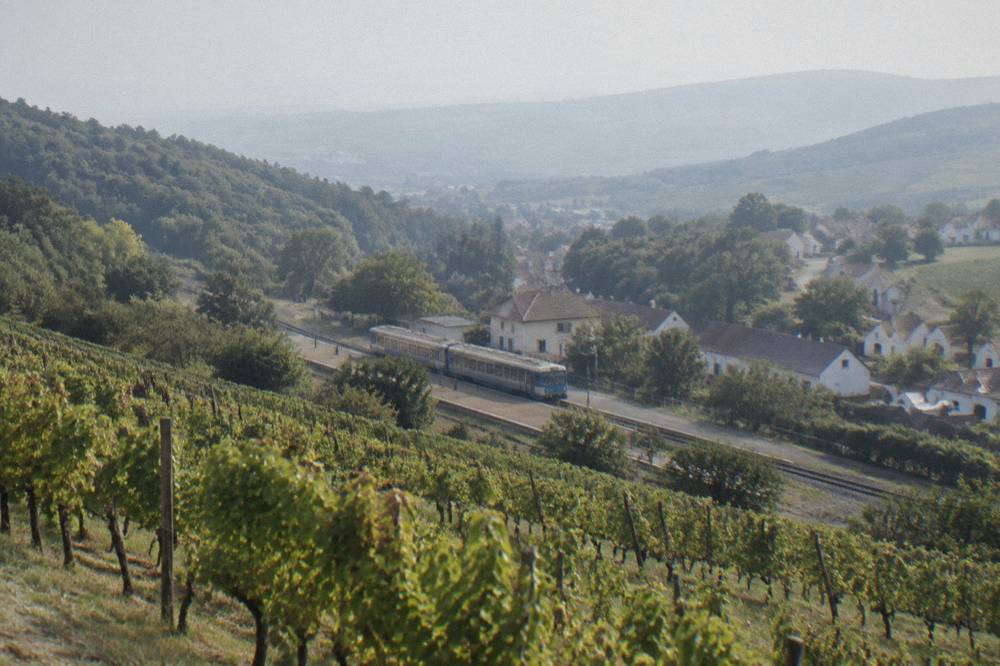
Regional trains and buses from Bratislava reach the Small Carpathian towns on the ordinary IDS BK fare system, and the standing paper single prices are 1.20 EUR for 30 minutes and 1.80 EUR for 60 minutes in zones 100 and 101, with app tickets cheaper at 1.09 EUR and 1.60 EUR, according to the IDS BK tariff pages.
The fare structure below is the standing tariff, with the discounted temporary autumn prices noted where they apply.
| Ticket (zones 100+101) | Paper EUR | App / eTicket EUR |
|---|---|---|
| Single 30 min | 1.20 | 1.09 |
| Single 60 min | 1.80 | 1.60 |
| Single 90 min, 3 zones | 2.40 | 2.40 |
| Day 24 h | 5.40 | 4.85 |
| Day 72 h | 10.70 | 9.68 |
| Day 168 h | 16.20 | 16.20 |
One autumn rail caveat: from 1 September to 12 December 2026, reconstruction work means the S50 train service starts and ends at Bratislava-Nove Mesto and the R55 to Trnava is cancelled, so rail-based wine village plans in that window should be checked against the current timetable. The Bratislava public transport guide carries the fuller picture, and the Bratislava train station guide covers the station end.
For visitors flying in, bus 61 links the airport with the main station in about 25 to 30 minutes, and the arrival-planning pages on flights to Bratislava and how to get to Bratislava handle the rest.
Does The Bratislava CARD Help On A Wine Trip?
The Bratislava CARD with transport costs 30 EUR for 24 hours, 36 EUR for 48 hours and 39 EUR for 72 hours, prices valid from 1 April 2025, and it bundles unlimited IDS BK transport across all zones with free entry to 23 sights and a daily 14:00 walking tour of the historic centre, according to the card's official pages, so it pays its way when the plan stacks transport with paid sights rather than on tastings alone.
The card's contents, as listed by its operators:
| Card | Price With Transport EUR | Key Inclusions |
|---|---|---|
| 24 h | 30 | All-zone IDS BK transport, 23 sights, 14:00 daily walk |
| 48 h | 36 | Same inclusions, longer validity |
| 72 h | 39 | Same inclusions, longest validity |
The card brochure's discounts run until 31 March 2027 and include reduced prices at various sites and on boat cruises; the tasting rooms themselves are not the card's territory. Where the card earns its price on a wine trip is the combination of regional transport to the wine towns and the sight entries that fill the rest of the day, for instance the Slovak National Museum attractions listed on the Slovak National Museum page. One child under 18 travels free with a card holder, which matters for family plans.
What Should You Eat With Slovak Wine?
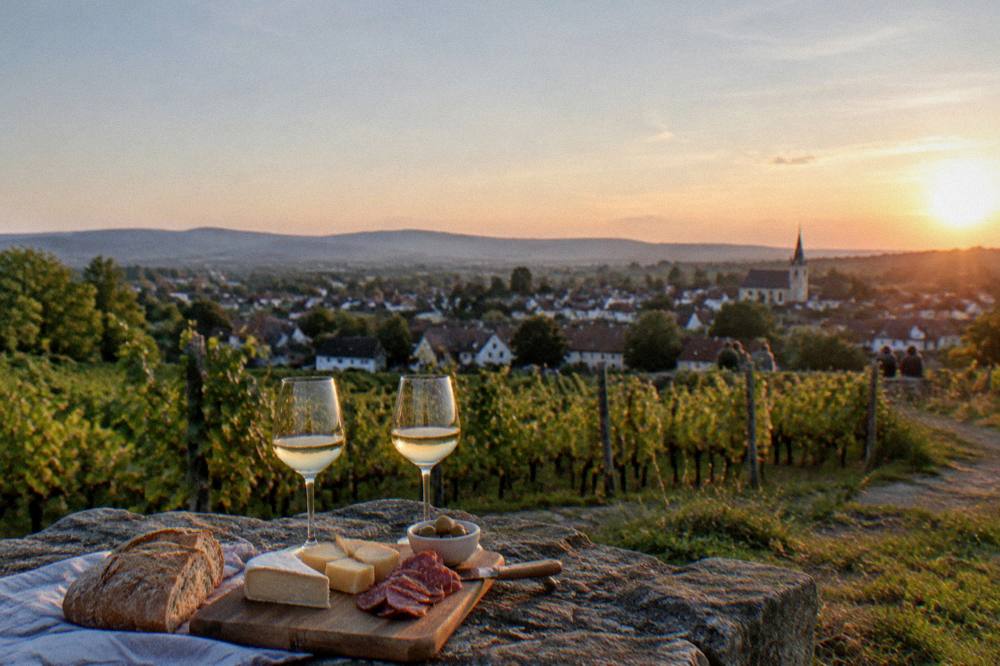
Slovak wine pairs with the hearty central European cooking the capital is known for, and the dishes and venues are covered on this site's eating pages rather than priced here. Report-style food walks also bundle the two.
The pairing logic is simple: the region's wines are drunk alongside the region's cooking, and a food-focused walk is the efficient way to meet both. The what to eat in Bratislava guide describes the dishes, and the Bratislava food tour page describes the bookable version of that walk. The beer and pubs guide covers the hop side of the same evening for groups split between wine and beer drinkers. For the morning after, the typical Slovak breakfast has its own answer page, and a few words of Slovak from the language guide or the quick how do you say hi in Slovak entry go a long way in a family cellar.
How Does A Wine Trip Fit Into A Longer Bratislava Stay?
A workable shape is one wine day, either a booked Small Carpathians tour or a self-planned Modra and Pezinok run, plus city tastings on a separate evening, with sightseeing days around them; the itineraries on this site assume two to three days for the capital itself, and the where-to-stay question settles the rest, since the Old Town keeps the evenings walkable and the wine villages need only one daylight block.
The sequencing question is the real one. Tastings in the city slot into any evening; the winery trip wants a whole half-day with a fixed booking; the market season from late November adds an evening programme of its own. A visitor holding the Čičmany, Bojnice, Orava and High Tatras day tour faces a genuine choice of long days, and that product, this page's related tour, is described on its own tour page. The decision points below compare the approaches.
| Plan | Best For | Transport | Booking |
|---|---|---|---|
| City tasting evening | Short stays | None, walkable Old Town | Operator's live listing |
| Small Carpathians tour | First wine day out | Included in the tour | Operator's live listing |
| Self-planned Modra and Pezinok | Independent travellers | IDS BK train or bus | Cellars direct |
| Private Modra winery tasting | Wine-led trips | Included or self-arranged | Operator's live listing |
Weather shapes the choice less than visitors expect. The ERA5 modelled normals put September's mean daily high at 20.8 C and October's at 15.0 C, so the harvest-season window is mild rather than cold, and the cellar towns work in any case. Winter planning should simply note that winter schedules for most sights start around 1 November, a pattern the Bratislava weather guide and the seasonal pages track.
What Else Should A Wine-Focused Visitor Know About Bratislava?
The practical frame: Slovakia uses the euro, the tourist tax is 3.50 EUR per person per night in the Old Town and 3.00 EUR elsewhere, and tap water in Bratislava is reported safe to drink; emergency numbers are 112 for the universal EU line and 158 for police, and the city of about 468,000 residents keeps its Old Town pedestrian, which is where the tasting venues concentrate. None of this is wine-specific, all of it shapes the trip.
A few dated items worth folding into an autumn or winter plan:
Where to sleep is the remaining lever. The where to stay in Bratislava guide covers the districts, and visitors crossing from Austria or Hungary should see the Vienna to Bratislava and Budapest to Bratislava pages, since the wine region sits on the same regional network. Arrivals through Vienna's airport have a dedicated Vienna airport to Bratislava guide. The full spread of the city's activities is on the main things to do page, maintained by this site, Bratislava Travel Guide.
The final picks band gathers the products that structure a wine-and-more stay.
Common Questions About Slovak Wine Near Bratislava
What is the main wine region near Bratislava?
The Small Carpathians, the hill country running east from the edge of Bratislava through towns such as Modra and Pezinok. The bookable private winery tasting in this site's roster travels to Modra, and the region is covered stop by stop on the Small Carpathians wine route page.
Can you do a wine tasting without leaving Bratislava?
Yes. The roster carries city tastings including a sommelier-led flight and two tastings conducted in complete darkness, alongside food and beer walks that cover the city's drinking culture more broadly.
When does the new Slovak wine come out?
St Martin's young wine is reported to be released from 11 November each year, with venues around Bratislava pouring it from around that date; the date is a reported tradition, so treat it as a guide rather than a schedule.
How much does public transport to the wine towns cost?
Standing IDS BK paper singles in zones 100 and 101 are 1.20 EUR for 30 minutes and 1.80 EUR for 60 minutes, with app tickets at 1.09 EUR and 1.60 EUR.
Is a day trip to the Small Carpathians better booked or self-planned?
Both work. A booked Small Carpathians wine tour from Bratislava attaches a guide and the transport; a self-planned run uses ordinary regional trains and buses and lets the visitor set the pace through Modra and Pezinok.
What should a wine-focused visitor eat in Bratislava?
The city's central European cooking, covered without prices on this site's what-to-eat guide, and best sampled either independently or on a bookable food walk that pairs dishes with the drinking culture.